
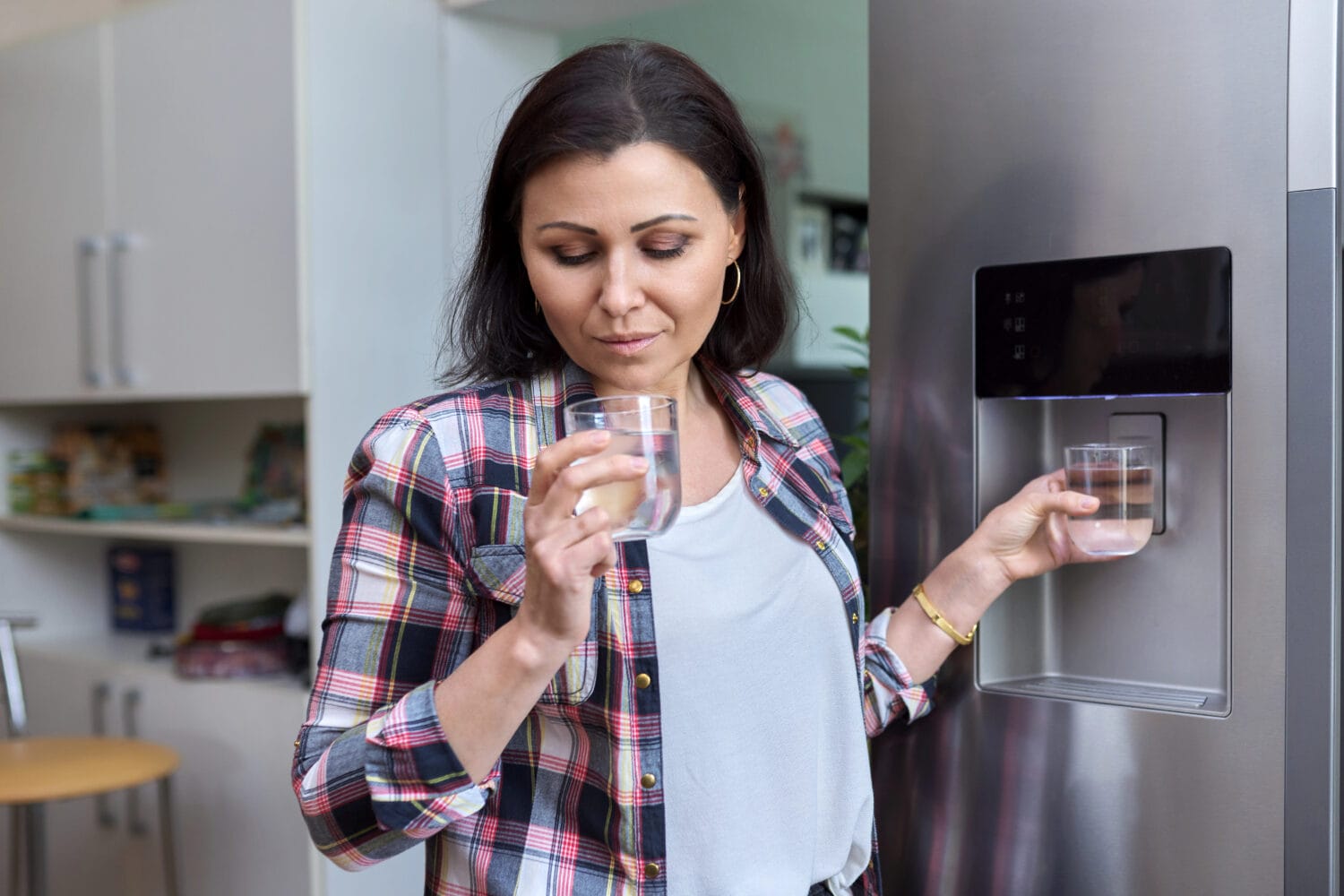
Why Quality Drinking Water Matters in South Carolina Kitchens
One of the most overlooked reverse osmosis water benefits is how much it can improve everyday tap water—especially in South Carolina—clean, great-tasting water matters for coffee, cooking, and filling school and work bottles. Yet local water quality varies widely. Depending on where you live, your water may contain sediment, chlorine, or hydrogen sulfide, which can cause unpleasant odors. These don’t always make water unsafe, but they can affect its taste and smell.
South Carolina’s water sources include rivers, wells, and reservoirs that pick up natural minerals and man-made byproducts. Regional water quality studies show that some areas have higher chlorine levels, while others deal with sediment from aging pipes. A refrigerator filter might help with taste and odor, but it usually can’t handle dissolved solids or other impurities as effectively as reverse osmosis.
Because every home’s water and plumbing are different, there’s no one-size-fits-all solution. Comparing fridge filters vs. reverse osmosis systems helps South Carolina homeowners find the option that best fits their water, kitchen setup, and budget.
Filtration Power: What’s in Your South Carolina Tap Water?
Not all filters perform the same. Refrigerator filters typically use activated carbon to reduce chlorine and improve taste. They’re convenient but focus on surface-level improvements. Reverse osmosis systems use several stages of filtration—including a semipermeable membrane—to reduce dissolved solids and up to 99% of system-rated contaminants.
South Carolina tap water may contain sediment, chlorine, minerals, and in some areas, a “rotten egg” odor from hydrogen sulfide. According to resources on managing hydrogen sulfide in city water, this is common in groundwater and older plumbing. A fridge filter may lessen the smell, but RO paired with the right pre-filtration usually works better.
Refrigerator filters treat only the water dispensed from your fridge. Reverse osmosis systems are also point-of-use, but are usually installed under the sink with a dedicated faucet. For broader issues like sediment or chlorine throughout the home, a whole-home solution, such as those in whole-home filtration guides, can work alongside RO.
When you compare reverse osmosis vs refrigerator filter options, RO typically offers deeper purification—handling dissolved minerals, fluoride, and lead that most fridge filters can’t address. Testing your water first helps determine which level of treatment you really need.
Taste, Odor, and Cooking: Does One Really Make a Difference?
Fridge filters mainly target chlorine so water and ice taste and smell better. Reverse osmosis goes further, removing a wider range of dissolved solids that can subtly change how food and drinks turn out. This is one of the key reverse osmosis water benefits homeowners notice right away.
Water for coffee, tea, soups, and sauces interacts directly with ingredients. Minerals or trace metals can alter flavor and texture. With RO, many people find beverages smoother and recipes more consistent, with no lingering aftertaste.
“Pure” water doesn’t exist naturally; the goal is balanced water that tastes good without causing buildup or off-flavors. For many homes, RO delivers more noticeable results than a fridge filter, but your best choice depends on your taste preferences and water test results.
Interesting Facts About Reverse Osmosis vs. Refrigerator Filters
- South Carolina water often contains sediment, chlorine, and hydrogen sulfide, so many homes benefit from systems designed for local water conditions.
- Reverse osmosis systems typically remove up to 99% of system-rated contaminants, while refrigerator filters mainly improve taste and odor. The real difference between them is explained in this comparison guide.
- Hydrogen sulfide is responsible for the “rotten egg” smell in some supplies; specialized treatment can reduce it without major plumbing changes.
- Whole-home systems treat water at the point of entry, and often complement kitchen RO units, as described in the role of whole-home filtration.
- Cleaner-tasting RO water can enhance cooking and beverages—one reason many families explore the benefits of reverse osmosis.
- Professional testing and help from experts like HM Northcutt ensure your system matches your home’s unique water chemistry.
Installation and Maintenance: What’s Easier for Your Home?
Refrigerator filters are simple to manage—cartridges snap in and out and usually only address basic taste and odor issues. Reverse osmosis systems require professional installation under the sink and more space for tanks and multiple stages, but they deliver higher-quality water for longer.
RO maintenance involves periodic filter changes and occasional sanitizing. With proper sizing and installation by a pro familiar with residential water treatment systems, upkeep is straightforward, and the payoff in water quality is significant. For renters or tight spaces, a fridge filter may be more practical; long-term homeowners often find RO worth the effort.
Cost Breakdown: Upfront Investment and Long-Term Savings
Refrigerator filters have a low upfront cost but need frequent replacement—sometimes every few months—so expenses add up. RO systems cost more initially due to installation and additional stages. Still, they typically produce water at a lower cost per gallon over time and can reduce spending on bottled water.
These same cost principles apply to larger setups like commercial water treatment systems. When you factor in maintenance and performance, RO systems often provide better long-term value for households seeking consistent, high-quality water.
Health Considerations: Which Water Is Better for Your Family?
Neither system can fix a seriously unsafe water source on its own, but both can improve daily drinking and cooking water. Refrigerator filters mainly reduce chlorine and some particles. Reverse osmosis targets a broader range of system-rated contaminants, including dissolved solids and certain metals, so water often feels smoother and tastes cleaner.
For South Carolina homeowners who want more control over water quality, reverse osmosis technology offers measurable benefits without sacrificing safety. The smartest first step is always a water test so you know what you’re dealing with before choosing equipment.
Customization and Professional Support: Why SC Homeowners Need Guidance
Because every South Carolina home has different water chemistry and plumbing, reverse osmosis vs refrigerator filter isn’t a one-answer question. Some homes may need only a simple fridge filter; others benefit from pre-filtration, RO, or even whole-home treatment.
Professional guidance ensures the system is sized, installed, and maintained properly. Local experts like HM Northcutt understand regional conditions and can design solutions that balance performance, convenience, and cost for your specific kitchen.
Straight Answers to Common Questions
South Carolina water can vary widely, so homeowners often have questions about how reverse osmosis and refrigerator filters compare. Here are a few of the most common. For more, visit the HM Northcutt FAQ page.
Does reverse osmosis remove more contaminants than fridge filters?
Can I install an RO system and still use my refrigerator filter?
Is reverse osmosis water safe to drink long-term?
Do fridge filters treat hard water?
How do I get my water tested?
Why does South Carolina water vary so much between cities?
Can reverse osmosis improve the taste of coffee and cooking water?
What’s the best way to choose between a fridge filter and RO system?
Do I need professional help to install a reverse osmosis system?
Finding Balance Between Convenience and Performance
Choosing between a reverse osmosis system and a refrigerator filter comes down to what matters most in your kitchen. Fridge filters are convenient and improve basic taste and odor. RO systems tackle a wider range of impurities and can elevate cooking, brewing, and everyday hydration with higher-purity water.
Because South Carolina water varies from city to city, it’s smart to start with a professional water test and guidance from experienced local pros like HM Northcutt. Their work with homes and businesses across the state shows how customized treatment plans can deliver lasting results.
If convenience and quick filter changes are your top priorities, a fridge filter may be enough. If you want more complete contaminant reduction and long-term value, reverse osmosis is usually the better fit. Many homeowners also combine RO with other treatment methods for a fully tailored home water system.
Conclusion: Bring Clarity to Your Home’s Water
Every South Carolina home has different water needs. Some may be satisfied with a simple refrigerator filter, while others benefit from the deeper purification of reverse osmosis. The right choice depends on your water chemistry, budget, and habits.
HM Northcutt believes informed homeowners make the best decisions. Whether you want to reduce chlorine at the fridge or enjoy cleaner, better-tasting water for drinking and cooking, their team can help. When you’re ready to explore your options, download the RO vs. fridge filter guide or schedule a personalized water assessment to bring clarity and confidence to your South Carolina kitchen.
