
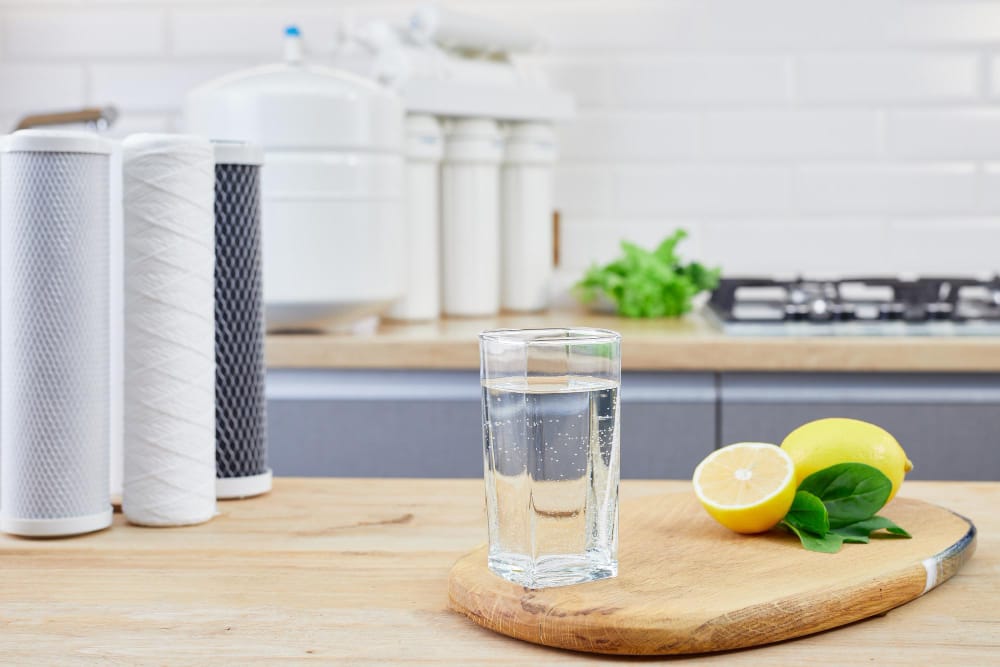
Choosing Smarter Water Solutions for Your South Carolina Home
The reverse osmosis water benefits for homeowners in South Carolina go far beyond taste—it’s about creating a more efficient and enjoyable water experience throughout the home. Many families in the state use municipal or well water. Both can have issues like hard water, iron stains, or a sulfur smell. These problems do not make the water unsafe, but they can change how the water feels, looks, and works in everyday use.
South Carolina’s water can have special issues that require more than just a basic filter. Some homeowners deal with a bad smell from hydrogen sulfide, which can smell like “rotten eggs.” Others may see mineral buildup on faucets or find that their ice cubes are cloudy. Because of these local problems, it’s important to understand your water source. Learning more about South Carolina’s water quality helps homeowners make informed decisions about which treatment option fits their specific needs.
Refrigerator filters are a popular choice because they are easy to replace and convenient. They can improve water taste by reducing chlorine and certain impurities, but they have limitations. Reverse osmosis (RO) systems, however, use several stages of filtration to remove a wider range of impurities and dissolved solids. This article explores how these two systems compare—fridge filter vs reverse osmosis—in terms of performance, cost, and overall water quality. By understanding the differences between reverse osmosis vs refrigerator filter systems, South Carolina homeowners can choose the best solution for their kitchens and families.
Filtration Capabilities Compared – What’s Really in Your Water?
Every home’s water has some minerals and possible dirt. Refrigerator filters help improve the taste and smell of water treated with chlorine. But they don’t remove everything that might be in the water. Reverse osmosis systems are better for cleaning water. They can remove more harmful substances, such as small particles and chemicals.
Many South Carolina households experience specific water challenges, such as iron staining or hydrogen sulfide odors. These issues are common in both city and rural areas. For example, hydrogen sulfide in municipal water can cause unpleasant smells even in treated systems. While refrigerator filters may temporarily mask some of these odors, they don’t fully address the underlying cause. Reverse osmosis systems, when properly installed and maintained, can help treat these concerns more effectively by removing a wider range of contaminants before the water reaches your glass.
Reverse osmosis systems also deliver more consistent results over time because they handle most dissolved solids that carbon filters cannot. According to advanced RO system designs, these systems can be customized to handle complex water issues found across South Carolina. However, it’s always best to have your water tested before installation. A professional test identifies what’s in your water so that the right system combination—whether softening, filtration, or reverse osmosis—can be selected. This ensures your investment works effectively for your home’s unique water profile.
Taste, Odor, and Aesthetic Benefits
Good-tasting water is important for your day. Whether you are making coffee or drinking from the tap, clean water helps you enjoy it more. Fridge filters can make water taste better by removing some impurities, but they only work for water from the fridge. Reverse osmosis systems produce even cleaner water, so it tastes good for cooking and drinking.
It’s important to remember that hard water doesn’t affect taste, but other elements like sulfur or iron can create unpleasant smells or discoloration. A refrigerator filter may help mask these issues slightly, but it won’t remove them entirely. Reverse osmosis systems at the sink or point-of-use can significantly improve the appearance and smell of your water. Homeowners who want lasting results often find that reverse osmosis systems deliver cleaner-tasting water with fewer odors and clearer appearance.
When comparing reverse osmosis vs refrigerator filter performance, it’s clear that both systems enhance aesthetics—but in different ways. Refrigerator filters provide convenience, while RO systems offer long-term improvement in taste and clarity. According to comparative insights on filtration performance, RO units remove a broader range of impurities, leading to fresher-tasting water for drinking and cooking alike. For South Carolina homeowners who value consistent quality and control over their water’s appearance and flavor, reverse osmosis often proves to be the more effective choice.
Interesting Facts About Reverse Osmosis vs. Refrigerator Filters
- The reverse osmosis process uses multiple filtration stages, including a semi-permeable membrane, to reduce dissolved solids and impurities that refrigerator filters often miss.
- Many South Carolina homes face unique water challenges such as iron, manganese, and hydrogen sulfide, which can be addressed through targeted water treatment solutions designed for local conditions.
- Refrigerator filters provide limited filtration, focusing mainly on taste and odor improvement, while reverse osmosis systems offer more thorough purification by addressing a broader range of contaminants.
- Families who use both whole-home systems and reverse osmosis units often enjoy better efficiency and consistency in water quality, a relationship explored in whole-home water filtration discussions.
- Reverse osmosis systems can be customized for different household needs, offering flexibility for homes with municipal or well water, as highlighted in local South Carolina water quality studies.
- When comparing fridge filter vs reverse osmosis performance, RO systems often deliver longer-lasting improvements in clarity and taste, making them a preferred choice for homeowners who want dependable drinking water.
- Regular maintenance and professional installation, supported by experienced providers such as those featured on H.M. Northcutt’s service pages, ensure that water systems continue to perform efficiently over time.
Cost Considerations for South Carolina Families
When comparing long-term expenses in the fridge filter vs reverse osmosis debate, it helps to look beyond the initial purchase price. Refrigerator filters often seem more affordable upfront, but their cartridges require frequent replacement—sometimes every few months—depending on water usage and quality. Over time, these recurring costs can add up, especially for larger households that rely heavily on filtered water for cooking and drinking.
Reverse osmosis systems, on the other hand, typically involve a higher initial investment due to installation and equipment. However, their filters and membranes last much longer, often up to two or three years with proper maintenance. The result is a lower cost per gallon of purified water over the system’s lifespan. Many homeowners find that the reverse osmosis vs refrigerator filter comparison favors RO when performance and durability are factored in.
Families who want to maximize efficiency may also consider combining a point-of-use RO system with a whole-home filtration setup. This approach treats all incoming water for sediment and chlorine before it reaches the RO unit, extending the RO unit’s lifespan and improving overall water quality. For South Carolina homes that experience frequent mineral buildup or municipal water fluctuations, this layered strategy can deliver greater value and fewer maintenance concerns over time.
Health Considerations and Contaminant Effectiveness
Both refrigerator filters and reverse osmosis systems can affect water quality, which is important for your daily health. Refrigerator filters usually use activated carbon to improve the taste and smell of water by reducing chlorine and capturing some particles. However, these filters do not remove most dissolved substances such as nitrates or lead.
Reverse osmosis systems clean water by pushing it through a special filter. This filter removes many harmful substances that can be in the water. When these systems are set up and maintained correctly, they can clean water more effectively than refrigerator filters. This helps families feel confident about the water they drink and use for cooking, especially when water quality changes.
Municipal water in South Carolina is already treated for safety, but many homeowners prefer additional protection through residential water treatment solutions designed specifically for home use. These systems can be customized to target particular concerns such as lead, fluoride, or sediment. Consulting a professional ensures that each system matches the home’s unique water profile and provides the most balanced approach to health and comfort.
Installation and Maintenance Practicalities
The installation process is one of the biggest differences between refrigerator filters and reverse osmosis systems. Refrigerator filters are typically plug-and-play—most homeowners can replace them without tools or professional help. However, their simplicity also limits their capacity and performance.
Reverse osmosis systems require more planning and expertise. They are usually installed under the sink or at another point of use, with multiple filtration stages that must be configured based on local water conditions. A professional installer will test the water first to ensure the system is properly sized and optimized for efficiency. Partnering with experienced water treatment professionals helps ensure that each component functions as intended and that maintenance schedules are clearly understood.
Routine maintenance for RO systems includes replacing pre-filters, post-filters, and membranes at recommended intervals. The frequency depends on usage and water quality. For homeowners unsure about which configuration best fits their needs, scheduling a consultation through a local water treatment provider is an excellent way to get personalized guidance. This not only ensures proper installation but also supports long-term reliability and consistent water quality.
Value Beyond Filtration – Comfort in Every Drop
Clean water is important for more than just tasting good. There are special systems that help keep appliances like coffee makers and ice machines working more efficiently by preventing mineral buildup. This can help them last longer. Regular fridge filters only clean the water that comes out of the fridge, not the water from other appliances in the house.
For households comparing reverse osmosis vs refrigerator filter options, it’s worth considering how each system contributes to overall comfort. RO systems deliver purified water directly to a dedicated faucet or even connect to the refrigerator line, offering convenience without sacrificing quality. They also support better-tasting beverages and clearer ice cubes—small details that make everyday routines more enjoyable.
Every home’s water composition is different, which means there is no universal solution for treatment. Homeowners often have questions about which system suits their specific needs, from usage volume to space limitations. Consulting a professional helps ensure that the chosen system aligns with both household goals and budget, providing comfort in every drop for years to come.
Your Questions Answered – Reverse Osmosis vs. Refrigerator Filter FAQ
Choosing between a reverse osmosis system and a refrigerator filter can feel confusing, especially when you want the best water for your South Carolina home. These common questions help explain the real differences in performance, maintenance, and long-term value. Whether you’re focused on taste, health, or convenience, understanding these answers can help you make a confident decision.
Does a refrigerator filter remove contaminants like lead or nitrates?
Can reverse osmosis systems work with well water in South Carolina?
How often should I replace a reverse osmosis membrane?
Are reverse osmosis systems safe for cooking and baby formula?
Do I need a refrigerator filter if I already have a reverse osmosis system?
Can reverse osmosis water improve the taste of food and drinks?
What happens if my reverse osmosis system stops producing water?
Can I install a reverse osmosis system myself?
Is reverse osmosis worth it for South Carolina homes?
These common questions highlight why water treatment is never one-size-fits-all. The right choice depends on your home’s water source, usage, and goals. If you’re considering an upgrade, reviewing examples of real installations in the H.M. Northcutt gallery can give you a better idea of how reverse osmosis systems can fit into different kitchen layouts across South Carolina.
Finding the Right Fit for Your South Carolina Kitchen
When comparing fridge filter vs reverse osmosis systems, the right choice depends on what you want your water to do for you. Refrigerator filters may offer a quick way to reduce chlorine taste and odor. Still, they often stop short of addressing the full range of impurities that can affect South Carolina homes. In contrast, reverse osmosis systems may handle a broader spectrum of dissolved solids, offering more consistent results for taste, clarity, and overall water quality. The reverse osmosis vs refrigerator filter debate really comes down to performance, long-term cost, and the level of control you want over your drinking water.
Before deciding, it’s important to have your water tested. South Carolina’s water sources may vary widely—municipal supplies can differ from one city to the next, and well water may contain iron, sulfur, or other naturally occurring elements. A professional analysis helps determine which option will best support your household’s needs. Families who rely on local experts, such as those featured on H.M. Northcutt’s recent client stories, often find that custom solutions lead to better long-term satisfaction. These homeowners benefit from knowing their systems were selected and sized based on their exact water profiles, not a general recommendation.
For some households, a refrigerator filter may be all that’s needed for light use or improved taste. For others—especially those who cook often, have larger families, or want greater peace of mind—a reverse osmosis system may offer a more complete solution. And it’s not just homeowners who benefit. Small cafés, offices, and local retail spaces also recognize the value of higher-grade filtration. Businesses across the state have turned to commercial water treatment solutions to achieve consistent quality for customers and staff. The same approach can be scaled down for residential kitchens, giving families the same level of performance and reliability.
There isn’t just one way to treat water at home. Every house is different. That’s why it’s a good idea to ask an expert for help. They can explain your choices and help you pick what works best for you and your budget. Whether you use a fridge filter or another kind of system, the goal is to have clean-tasting water. Taking time to learn about your options can help you enjoy better water for a long time and avoid problems later.
Make the Smart Choice with Confidence
Both refrigerator filters and reverse osmosis systems can enhance the water in your South Carolina kitchen, but the difference often lies in long-term value. A properly chosen reverse osmosis system may deliver greater consistency, fewer maintenance demands, and more reliable results for families who want water that supports both taste and wellness. Because local water conditions vary, understanding your specific water profile—especially for those connected to community systems like municipal water—is the best first step toward finding the right fit.
H.M. Northcutt’s experts can help you compare both systems based on your home’s water quality, budget, and daily use. They can also guide you through installation and maintenance, so you can enjoy dependable performance for years to come. For a closer look at how each option stacks up, download our RO vs. fridge filter guide or schedule a free consultation today through the contact page. A small step toward better water today can mean lasting comfort, efficiency, and confidence tomorrow.
