
Key Takeaway:
A constant-pressure system can dramatically improve water pressure consistency for homes that rely on private wells by using a variable-speed pump that responds to real-time demand.
The result is steadier showers, more reliable appliance performance, and reduced pump wear from frequent on/off cycling.
A professional evaluation helps ensure the system is properly sized and compatible with your existing equipment, so you get the best long-term results.
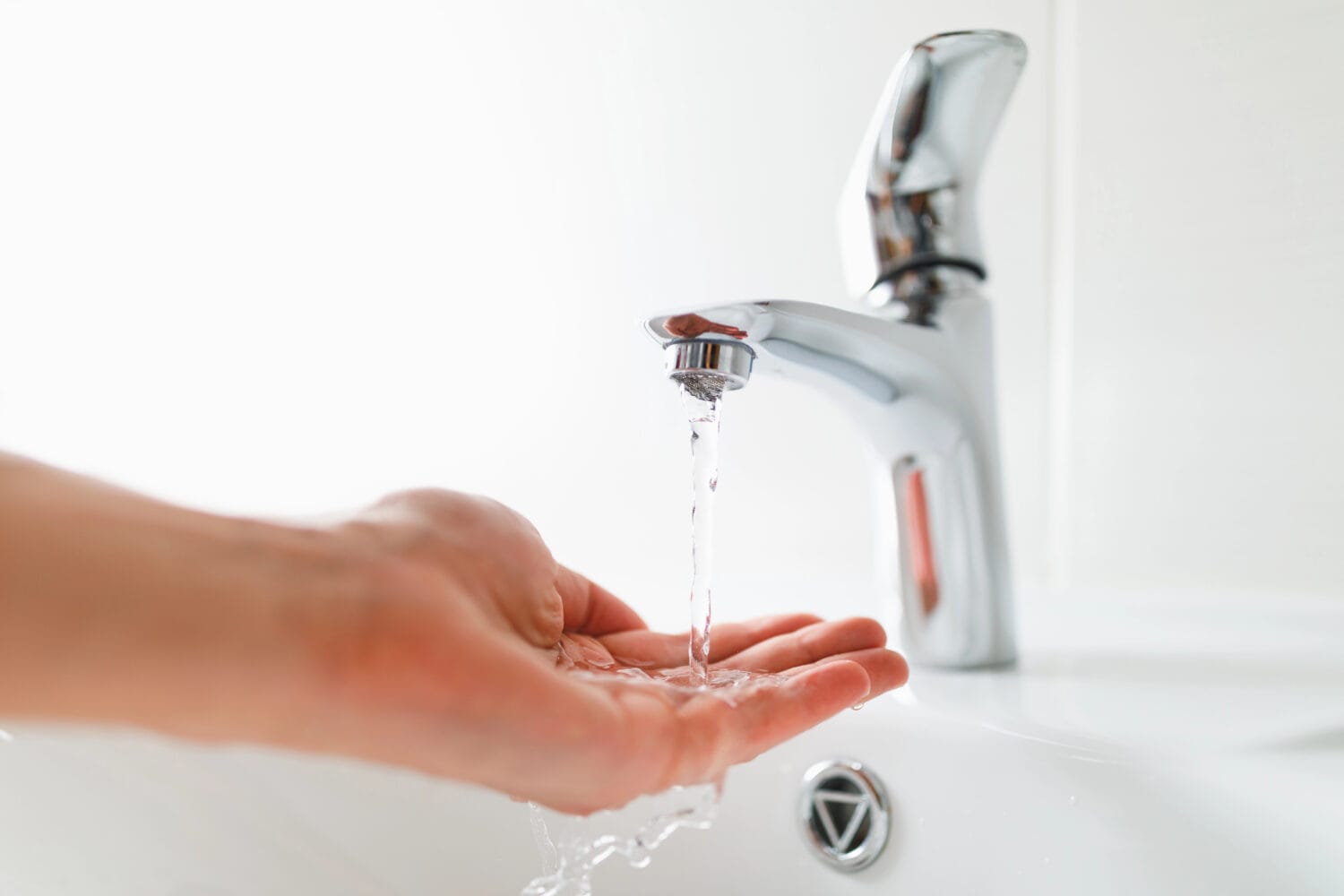
Is a Constant Pressure System Right for Your Home?
Is a Constant Pressure System Right for Your Home?
Few things throw off a morning routine faster than a shower that loses pressure the second someone turns on a faucet in the kitchen. For homes that rely on private wells, this isn’t unusual. Traditional well setups often depend on a large pressure tank that fills and drains as water is used—causing pressure to swing between highs and lows throughout the day. Those fluctuations can make showers uncomfortable, reduce sprinkler performance, and even affect the efficiency of appliances such as dishwashers and washing machines.
A constant-pressure system is designed to eliminate those fluctuations. Rather than letting water pressure drift, it pairs a smaller pressure tank with a variable-speed pump that automatically adjusts output to match what your home needs in real time. That means consistent pressure at every tap—even when multiple fixtures are running. The experience is smoother, more comfortable, and often easier on the plumbing system overall.
Homeowners researching residential water systems will find that constant-pressure setups can be customized in several ways. Some homes can be upgraded by adding new controls and a smaller tank, while others benefit from a full system refresh. Because every home has a different layout, fixture count, and daily water demand, it’s worth understanding how these systems work before deciding whether they’re a smart investment. Below, we’ll break down the key differences, the signs that point to an upgrade, and why professional guidance helps ensure the right fit.
Constant Pressure vs. Traditional Well Systems: What’s Different?
Traditional well systems work on a cycle. The pressure tank fills to a preset level, then provides water until the pressure drops low enough to trigger the pump to turn on again. Once the tank refills, the pump shuts off. When multiple fixtures run at the same time, that cycle can lead to noticeable pressure drops—especially during the time between the tank’s pressure declining and the pump fully catching up.
A constant pressure system takes a more responsive approach. Instead of waiting for pressure to fall, it uses a variable-speed motor that speeds up or slows down based on how much water your home is using at that moment. Open a faucet and the pump ramps up to maintain a steady flow. Close it, and the pump slows down again. The pressure tank functions more like a buffer than a storage container, enabling the system to respond quickly without overloading the pump.
Many homeowners assume a constant pressure upgrade always requires replacing the well pump, but that isn’t always the case. Depending on the condition and compatibility of your existing equipment, you may be able to upgrade controls and add the right tank configuration without replacing everything. The best way to confirm what’s possible is to have a professional evaluate your setup. If you want to explore your options, you can reach out through HM Northcutt’s contact page to discuss compatibility, performance goals, and upgrade paths.
When Inconsistent Pressure Becomes More Than a Nuisance
Pressure drops can make normal tasks frustrating—and in some situations, unsafe. A sudden reduction in shower flow when a toilet flushes can be uncomfortable for anyone, but it’s especially concerning for small children and older adults. In multi-story homes, pressure inconsistencies may be even more noticeable because elevation increases the system’s load.
Well-dependent homes often face this problem more frequently than municipal-water homes. Municipal systems are built around large-scale supply and pressure management infrastructure, which helps stabilize flow across neighborhoods. You can see the contrast when comparing municipal water systems with private well setups: well systems depend on a single pump-and-tank combination to keep up with household demand.
Some homeowners try temporary fixes like adjusting tank settings or installing small booster pumps. While those steps can help in certain cases, they often don’t address the core issue: demand changes throughout the day, and traditional systems aren’t built to respond smoothly in real time. Proper water pressure solutions SC homeowners rely on consider factors like plumbing layout, pipe sizing, fixture count, elevation changes, and daily usage patterns. A constant-pressure system automatically manages those variables by continuously adjusting pump speed as demand changes.
If you’re seeing frequent pressure swings, noticing inconsistent appliance performance, or dealing with outdoor watering that weakens indoor flow, it may be time to consider an upgrade. A professional assessment can measure flow rate, confirm pump capacity, and determine whether constant pressure technology will provide a meaningful improvement for your home.
Key Facts About Constant Pressure Systems
- A constant pressure tank works with variable-speed controls to maintain steady water pressure, even when multiple fixtures or appliances run at once.
- Traditional well systems can cause pressure drops as pumps cycle on and off; constant pressure systems reduce cycling, which may help extend pump life.
- In multi-story homes or properties with heavy irrigation demand, consistent water pressure helps prevent uneven flow between floors or zones.
- Pairing pressure improvements with a properly designed whole-home water system can support smoother performance across appliances and plumbing fixtures.
- Many South Carolina households see a noticeable reliability boost after upgrading their water delivery setup with constant pressure technology.
- Because every home’s plumbing and water demand differs, reviewing your pressure system needs with a professional helps ensure proper sizing and compatibility.
- The team at HM Northcutt designs systems based on household size, water source, and usage patterns to balance comfort and efficiency.
- Viewing examples of installed pressure systems can help homeowners see how these upgrades integrate with real-world plumbing layouts.
How Constant Pressure Can Improve Comfort and Efficiency
Consistent water pressure makes a bigger difference than many homeowners realize—until they experience it. With a constant pressure system, showers stay strong, faucets maintain steady flow, and appliances operate more reliably. When pressure stays balanced, dishwashers and washing machines often perform better because they receive consistent supply during fill cycles.
Stable pressure can also be easier on your plumbing. Repeated spikes and drops can put stress on pipes, fittings, and valves over time. By smoothing those fluctuations, a constant pressure system can support longer-lasting plumbing performance and more dependable outdoor watering.
The best results come from designing the system around your home’s full water network. Integrating constant pressure with whole-home filtration solutions can help ensure both water flow and water quality are optimized—especially in well systems where mineral content, sediment, and other factors vary.
Which Homes Benefit Most from a Constant Pressure Upgrade?
Constant pressure systems are often a standout upgrade for private wells because they reduce the frequent pump cycling that contributes to pressure swings. When demand changes—multiple showers, laundry, dishwasher, sprinklers—the system adjusts smoothly rather than relying on tank pressure alone.
Reducing hard start/stop cycles can also help preserve the pump motor. Each cycle adds wear, and over time, that can lead to maintenance issues. By running more steadily at lower speeds (when demand is light), constant pressure systems may reduce strain and improve long-term reliability.
Many homeowners across South Carolina face similar challenges with fluctuating well pressure, especially in rural areas or on properties with irrigation demands. Upgrading to water solutions designed for South Carolina homes can improve day-to-day comfort and overall system performance.
Frequently Asked Questions About Constant Pressure Systems
Homeowners often ask whether a constant-pressure system is the same as a booster pump. The main difference is automation and stability: booster pumps increase pressure, while constant pressure systems regulate pressure by adjusting pump speed to match demand.
Another common question is compatibility. In many cases, existing pumps can operate with constant-pressure controls, but age, sizing, and condition matter. Homeowners also ask about noise—most modern variable-speed systems are quiet because they ramp up gradually rather than switching on abruptly.
For outdoor use, these systems typically perform well in irrigation, keeping indoor pressure steady while sprinklers run. Energy use may shift, but many homeowners find the reduction in hard starts and the improved comfort make it worthwhile. Constant pressure systems can also be adapted for some business needs, and many commercial buildings use similar technology to maintain dependable flow across multiple fixtures and floors.
Finding the Right Fit for Your Home’s Water Pressure
The right water pressure solution depends on how your home uses water, how your plumbing is laid out, and whether you’re on a private well or municipal supply. Constant pressure systems often make the biggest difference in homes where demand changes frequently—multiple bathrooms, long plumbing runs, irrigation systems, or multi-story layouts.
The key is customization. A properly sized system balances performance and efficiency without overworking the pump. HM Northcutt’s experience across South Carolina, reflected in their diverse client base, shows how tailored design can create steady, dependable water flow in many different types of homes.
If you’re considering an upgrade, a professional evaluation is the smartest first step. A technician can measure flow rate, assess pump condition, and confirm what upgrades are compatible—helping you avoid mismatched equipment and ensuring the system performs the way you expect every day.
Rethink Water Pressure and Take the Next Step
Inconsistent water pressure doesn’t have to be part of your routine. If your shower weakens when laundry starts, or your sprinklers drag down indoor flow, a constant pressure system may be the long-term fix you’ve been looking for. These systems are designed to adapt to real-time demand, delivering steady performance without the pressure swings that frustrate well owners.
If you want to see how upgrades look in real homes, HM Northcutt’s system installation gallery shows examples of professionally installed setups. For personalized recommendations, schedule a consultation through their team and get guidance on whether constant pressure is the right fit for your property.
Additional Reading
- Pressure System FAQs (HM Northcutt)
- The Role of Whole-Home Filtration (HM Northcutt)
- Water Solutions for South Carolina Homes (HM Northcutt)
- Private Drinking Water Wells (U.S. EPA) — guidance on maintaining private well water systems, testing, and protecting household water supply.
