|
Key Takeaway: Alkaline water is water with a pH higher than 7, which some people believe may improve hydration and reduce body acidity. There are several methods to make alkaline water at home, such as adding baking soda, using an ionizer, or using pH drops. Each method affects the taste and mineral content of the water, so it’s important to test your local water supply to determine the most suitable approach for your specific needs. |
What Is Alkaline Water and Why Make It?
Many people today pay close attention to what they drink, and water sits at the top of that list. As more homeowners look for ways to improve hydration, interest in alkaline water continues to grow. Learning how to make alkaline water at home has become a popular topic because it allows people to adjust their drinking water to match personal preferences.
Alkaline water differs from regular tap water because it has a higher pH, which some believe may support better hydration or help reduce acidity in the body. While scientific opinions vary, many people enjoy the smoother taste and refreshing feel that comes with slightly higher pH levels.
There are several ways to make alkaline water at home, from adding baking soda to using specialized filters or ionizers. Each approach can influence both the taste and mineral content of your water. Systems that focus on enhancing water quality through reverse osmosis can also play a role when paired with remineralization stages that restore beneficial minerals and raise pH levels.
Because every home’s water source is different, there’s no single solution that works for everyone. It’s always a great idea to consult a professional for added guidance so that you can make the best decision for your home and ensure your water treatment system meets your specific needs.
Understanding Alkalinity and Water pH Levels
The term “alkaline” refers to water with a pH higher than 7 on the pH scale. This scale measures a substance’s acidity or alkalinity, ranging from 0 to 14. Water with a pH below 7 is considered acidic, while anything above 7 is alkaline. Understanding alkaline water pH levels helps homeowners see how small changes in chemistry can affect the drinking experience.
Natural alkaline water forms as it moves through rocks and soil, collecting minerals like calcium and magnesium along the way. Municipal water may vary depending on treatment methods and local geology. Engineered alkaline water is produced by adding minerals or by using technology that adjusts the pH through ionization.
Public water systems and private wells can influence alkalinity in different ways. City treatment plants often adjust pH levels to protect pipes and maintain consistency across neighborhoods. Well water may show higher or lower alkalinity depending on the surrounding rock formations.
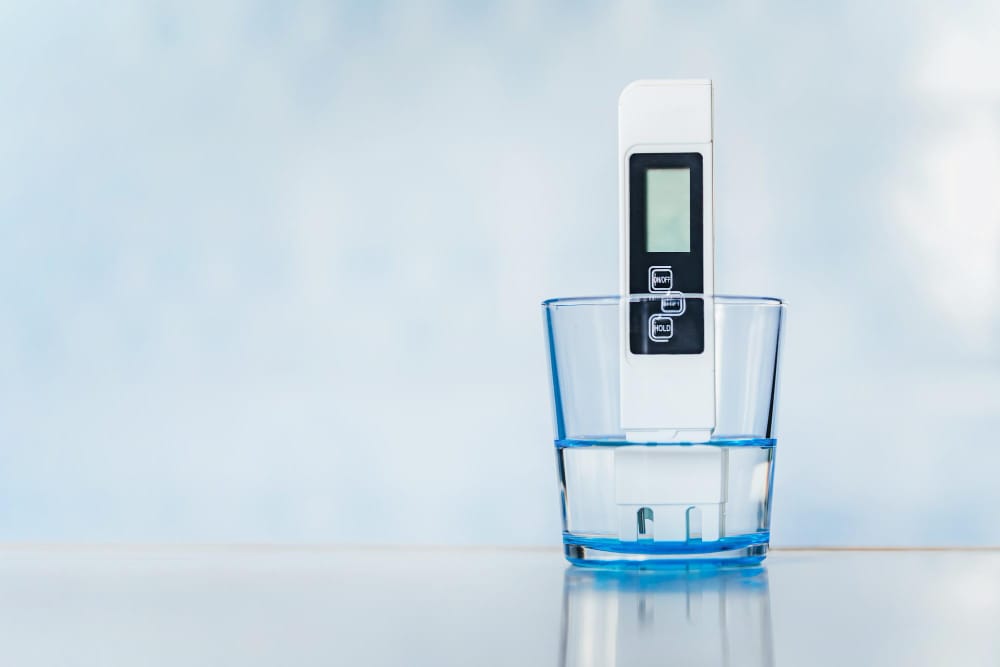
For homeowners who want to fine-tune their home’s water chemistry, whole-home systems can help balance pH while addressing other impurities. These systems often include advanced filtration stages that improve overall quality, similar to how whole-home filtration solutions manage minerals and contaminants before water reaches your tap. Since every household’s water makeup is unique, testing your supply before making changes ensures you choose the right approach for your situation.
Common Methods to Make Alkaline Water at Home
There are several simple ways to raise the pH of your drinking water at home. Many people start by learning how to make alkaline water using everyday items like baking soda or lemon juice. Baking soda is a common choice because it’s naturally alkaline and can raise pH quickly when mixed with small amounts of tap water. However, it also adds sodium, so anyone watching their salt intake should use caution and measure carefully.
Lemon juice may seem acidic at first, but some people believe it can have an alkalizing effect after it is metabolized. Another option is to use pH drops or alkaline pitchers to instantly modify tap water. These products often contain concentrated minerals that raise alkalinity without changing taste too much.
For those who prefer a more permanent setup, ionizing machines use electrical currents to separate acidic and alkaline components of the water, allowing you to select your preferred level of alkalinity. Some households even combine these methods with filtration systems that improve clarity and taste while maintaining consistent pH.
Homeowners who already use filtration units may wonder how these systems fit into their alkaline goals. Many modern setups allow both purification and remineralization in a single process. For instance, systems that incorporate reverse osmosis and refrigerator filters can remove unwanted impurities before reintroducing beneficial minerals that raise pH levels. Because every property’s plumbing and source water differ, consulting a professional ensures you select equipment that meets your household’s specific needs.
Interesting Facts About Alkaline Water and How to Make It
Alkaline water continues to attract attention from homeowners and health-conscious individuals alike. The following facts highlight how it works, why people create it at home, and what to consider before adjusting your water’s pH.
- Alkaline water has a pH above 7, meaning it is less acidic than standard tap water. Understanding alkaline water pH levels helps homeowners identify how mineral content and source water influence alkalinity.
- Learning how to make alkaline water at home can involve methods like pH drops, baking soda, or using ionizing devices that raise the water’s pH.
- A reverse osmosis system can purify water before it’s re-alkalized, creating a cleaner base for remineralization and improved taste.
- Many homeowners combine alkaline water systems with residential filtration solutions to ensure their water starts clean before any pH adjustments are made.
- Some people notice smoother taste and better hydration from alkaline water, but results vary. Factors like local water composition can influence those experiences.
- Reverse osmosis alone typically reduces minerals and may lower pH, but adding a remineralization stage or alkaline filter media can restore balance and create more enjoyable drinking water.
- Testing your water first and consulting professionals ensures the right approach, since there is no one-size-fits-all method for creating customized water solutions that fit every home’s unique needs.
Can Reverse Osmosis Create Alkaline Water?
Reverse osmosis systems play a major role in improving water quality, but they don’t naturally produce alkaline water. In fact, reverse osmosis removes many of the minerals that give water its natural alkalinity, which can result in slightly lower pH.
To raise the pH after filtration, many homeowners add a remineralization stage to their RO system. This step introduces minerals such as calcium and magnesium back into the water, increasing its pH and creating a smoother taste.
Modern reverse osmosis systems with remineralization stages can enhance the overall drinking experience by addressing impurities before re-alkalizing. Because every home’s water chemistry is unique, it’s always best to test your water first and consult a professional to determine whether adding a remineralization filter is right for your setup.
Pros & Cons of Alkaline Water: What Science Says
There’s plenty of discussion about potential alkaline water benefits, but research shows mixed results. Some studies suggest that alkaline water may support hydration after exercise or improve taste by reducing the acidic bite of some tap waters. However, broad claims about major health transformations remain unproven and should be approached with caution.
For most people, drinking water with slightly elevated alkaline water pH levels is generally safe. The main focus should be balance, since extremely high pH water can alter taste and may not be ideal for everyone.
Understanding your local water composition can help you make informed choices. Many homeowners discover issues like mineral imbalance or odor during testing, which can be addressed through targeted water treatment solutions. Because results vary depending on source water and treatment method, consulting a professional ensures you have the information needed to decide whether alkaline water fits your lifestyle.
When Alkaline Water Isn’t Ideal
While learning how to make alkaline water can be rewarding, it’s not always the best option for every application. Some uses—like cooking, brewing coffee, or watering plants—may benefit from neutral or slightly acidic water instead. Higher alkalinity can alter flavor profiles or affect how nutrients interact with soil.
Very high alkaline water pH levels may also lead to an unpleasant taste or contribute to mineral buildup in appliances over time. A balanced pH range between 7 and 9 is often preferred for drinking water in most households.
Before adjusting your home’s water chemistry, it’s wise to understand what’s in your supply. Municipal systems vary widely based on region and source, as explained through local municipal water quality information. Testing first allows you to make informed adjustments rather than relying on assumptions.
Should You Filter Before You Alkalize?
Many homeowners wonder whether they should filter water before raising its pH—and in most cases, the answer is yes. Filtration removes impurities such as chlorine, sediment, and trace metals that could affect taste or interfere with pH adjustments.
Filtering first also helps protect devices used to increase alkalinity, such as ionizers or pitchers, from clogging or premature wear. Whole-home filtration treats all incoming water, while point-of-use systems treat only drinking water.
Combining filtration with alkalinization provides a more complete solution for those exploring how to make alkaline water safely at home. Homeowners who install residential filtration systems often find their water tastes cleaner and performs better across multiple uses. Because no two homes share identical plumbing or source conditions, consulting a professional ensures you choose equipment tailored to your needs and local water profile.
Your Alkaline Water Questions Answered
Alkaline water can spark curiosity because it connects science, taste, and wellness in one topic. Many people want to understand how to make alkaline water at home and whether it can benefit their lifestyle. Since every water supply is different, testing your water and consulting a specialist can help you choose the right approach. For more helpful insights, visit the HM Northcutt FAQ page.
What is the ideal pH level for alkaline water?
Can I use tap water to make alkaline water?
Do alkaline water filters really work?
Is alkaline water safe for everyone?
Can I make alkaline water for my entire home?
Creating Balance in Every Drop
Learning how to make alkaline water at home is less about following one exact recipe and more about understanding your water. Every home has a unique source and mineral makeup, which means results will differ from one household to the next. The goal isn’t to chase a perfect number on the pH scale, but to create water that fits your taste preferences and lifestyle.
Some homeowners choose simple methods like mineral drops, while others invest in systems that combine filtration and remineralization for long-term consistency. What works best depends on your water source, budget, and maintenance preferences. Professional guidance can help you avoid guesswork and create a setup that stays reliable over time.
If you’re ready to explore testing, filtration, or alkalizing options for your home, visit HM Northcutt’s contact page to connect with a specialist and build a personalized water solution that supports your everyday routine.
